BTR Assets and Residential Rental
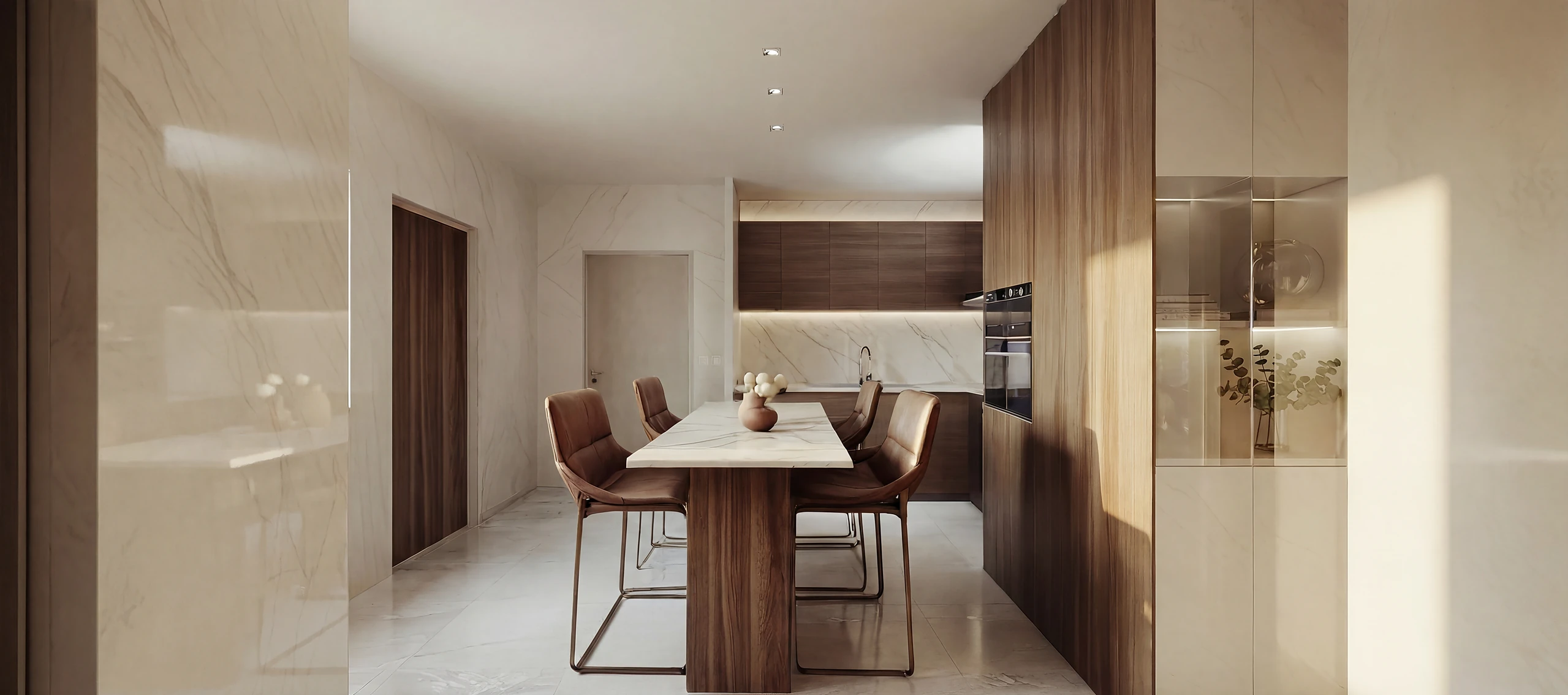
We design BTR assets and residential rental portfolios that justify higher rents, reduce tenant turnover and hold their value long term. Design aimed at the performance of the asset.
BTR in Spain is growing at 27% per annum and 37,000 homes are projected by 2026. In a market where institutional funds compete for the same tenants, a well-designed asset justifies higher rents, reduces turnover and maintains its value over the long term. We design residential rental portfolios with that in mind: asset performance first, aesthetics second.
The real problem
A BTR asset without a differentiated design competes solely on price. And price always has a limit.
The BTR tenant chooses based on the perceived quality of the space. A well-designed asset is what separates it from the equivalent flats a tenant views the same day, and that supports both the rent and how long they stay.
Income below potential
Without design differentiation, the asset cannot sustain above-average rent. Investment in design has a direct and measurable return in the rent that the market agrees to pay.
High tenant turnover
Every time a tenant does not renew, the asset loses 1 to 3 months of rent in vacancy and capture costs. Design that generates real satisfaction reduces that turnover consistently.
Common areas that do not add value
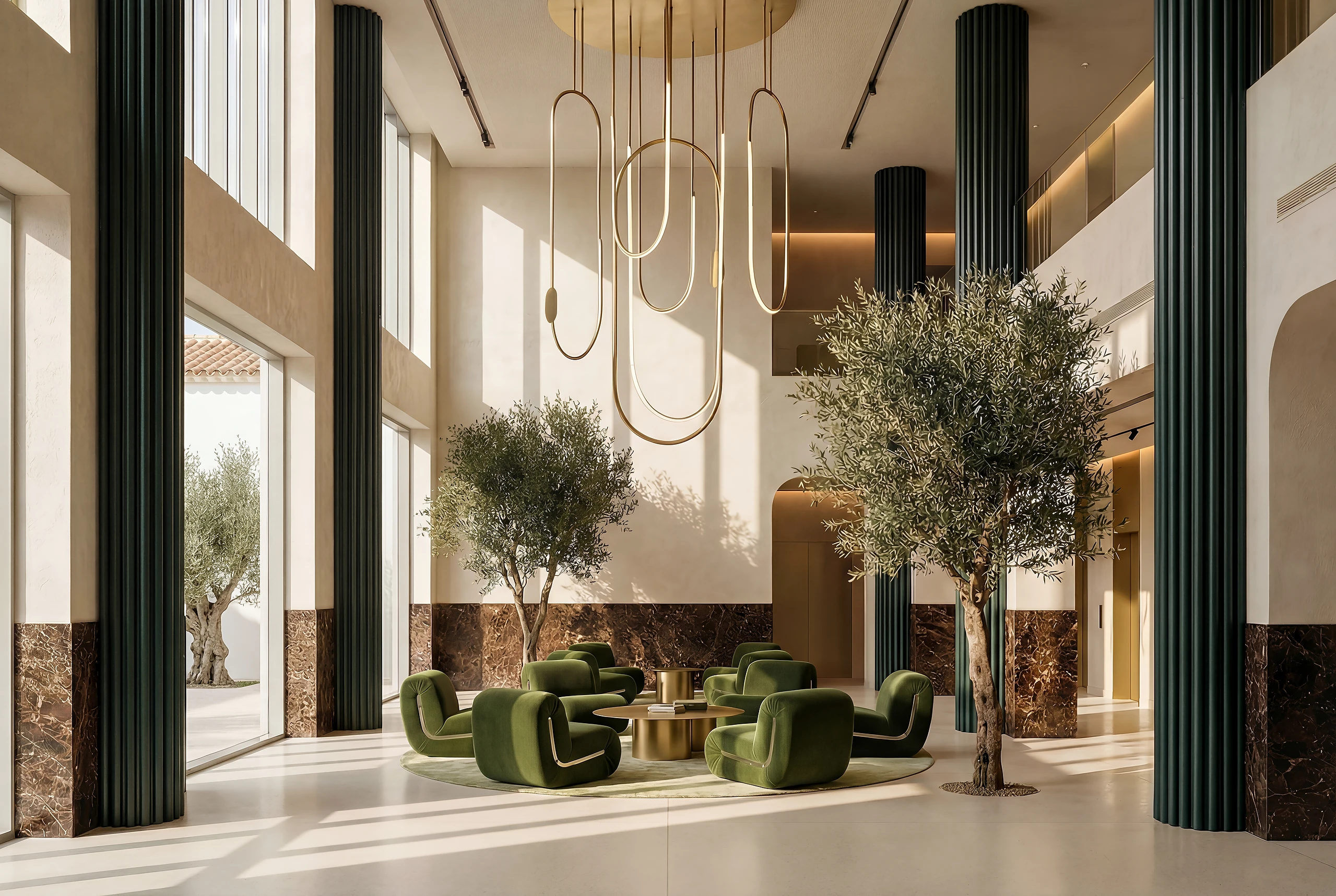
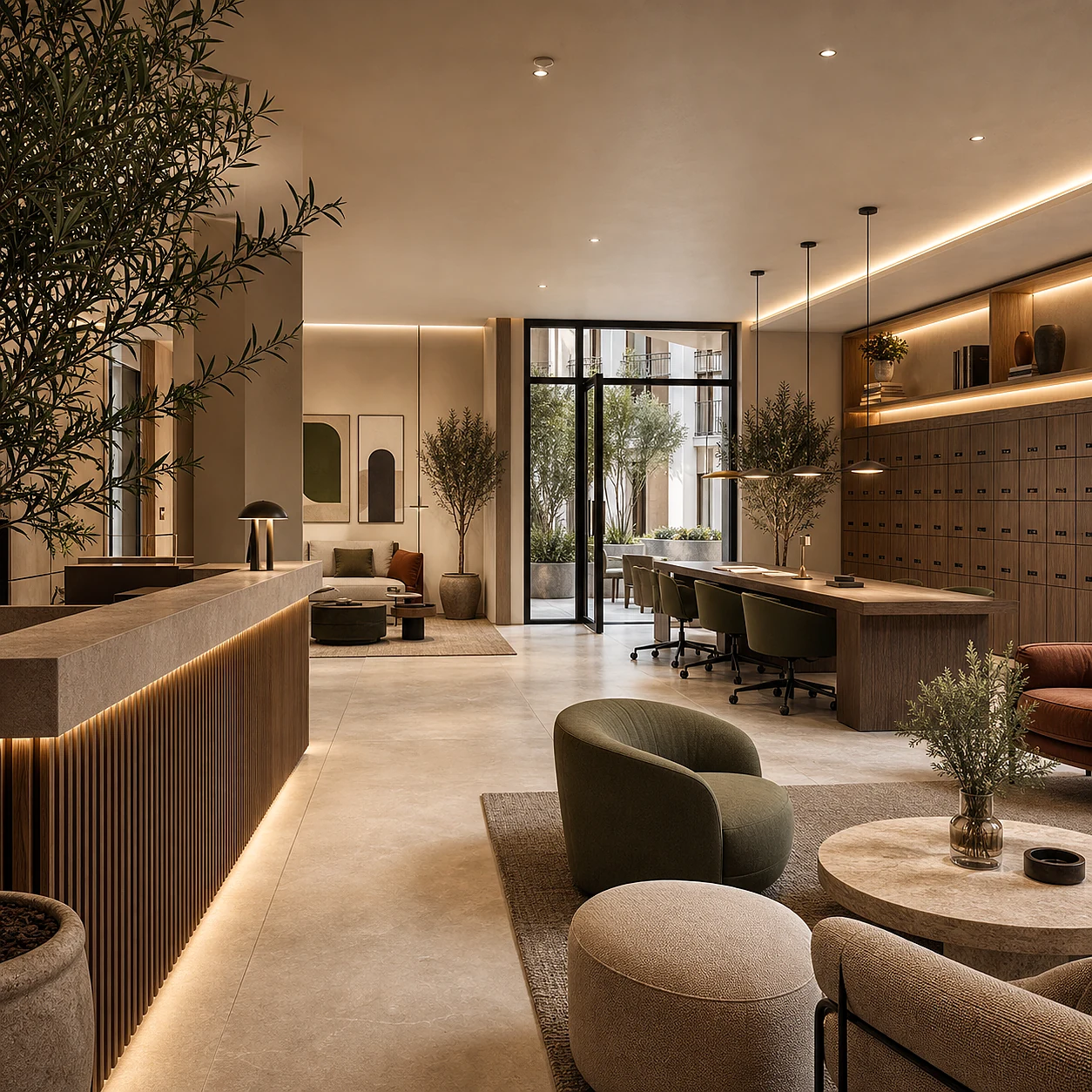
At BTR, common areas are a selling point. A well-designed coworking room, gym or terrace justify the rent and reduce vacancy. Poorly executed, they are a cost with no return.
Materials that do not withstand rotation
A BTR has to withstand tenant turnover for 15-20 years. A design that does not consider durability and maintenance generates recurring costs that erode the profitability of the asset.
Process
How we work
01The Appointment
We evaluate the target tenant profile, target rent, direct competition in the area and technical limitations of the asset. The design is calibrated to justify the target rent.
02The Design
For multi-asset portfolios, we develop a replicable design system with consistency between buildings. Asset identity, not unitary decoration. Full 3D renderings before deciding.
03The Production
Executive plans, selection of materials with durability and maintenance cost criteria, FF&E list with alternatives by price range. Closed budget before starting.
04The Installation
Construction management and supervision of finishes. Delivery with the asset ready to photograph and publish. The first tenant enters a space that already justifies the rent requested.
What asset managers ask us
Where do you raise rent without losing occupancy?
Through what the tenant uses daily and compares at renewal: kitchen, storage, acoustics between units and shared areas that are actually usable. Upgrading finishes nobody touches rarely converts into rent; solving those four does.
How does design reduce turnover?
By removing the ordinary reasons to leave. Neighbour noise, nowhere to store anything, lighting that makes the flat uncomfortable at night, and shared areas nobody uses because they were never thought through. Expensive turnover is rarely lost on price, it is lost on accumulated discomfort.
Which materials survive high turnover?
The ones you can replace in parts. Flooring in replaceable planks, kitchen fronts with a renewable finish, commercial-grade ironmongery and paint in a tone that takes touch-ups without repainting the whole room. The criterion is five-year replacement cost, not purchase price.
Can you work with the asset occupied?
Yes. You work through units as they empty on natural turnover and concentrate shared areas into short phases. It is slower than emptying the building and it avoids the opportunity cost of standing it still, which is usually the larger number.