Offices and coworking
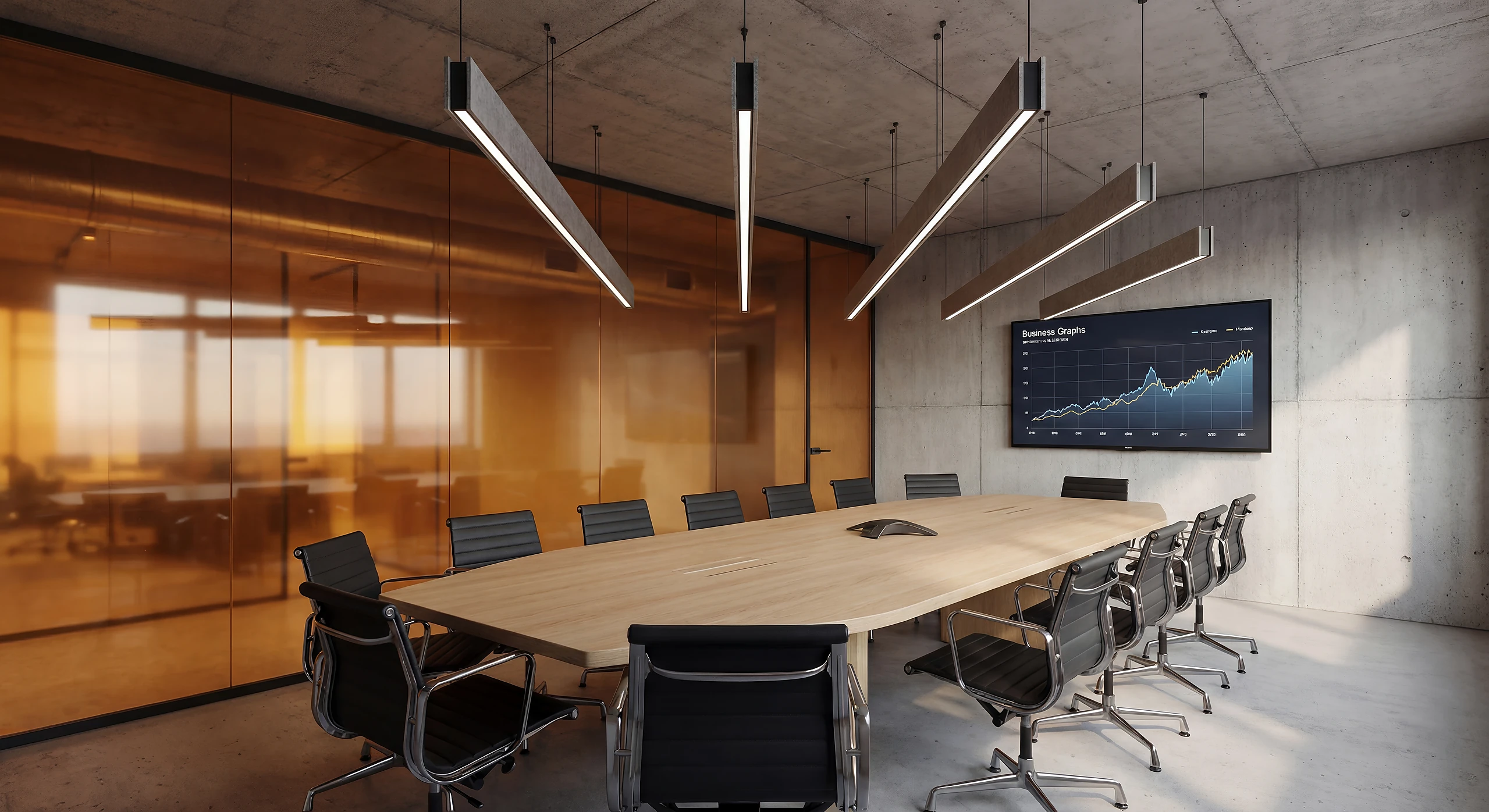
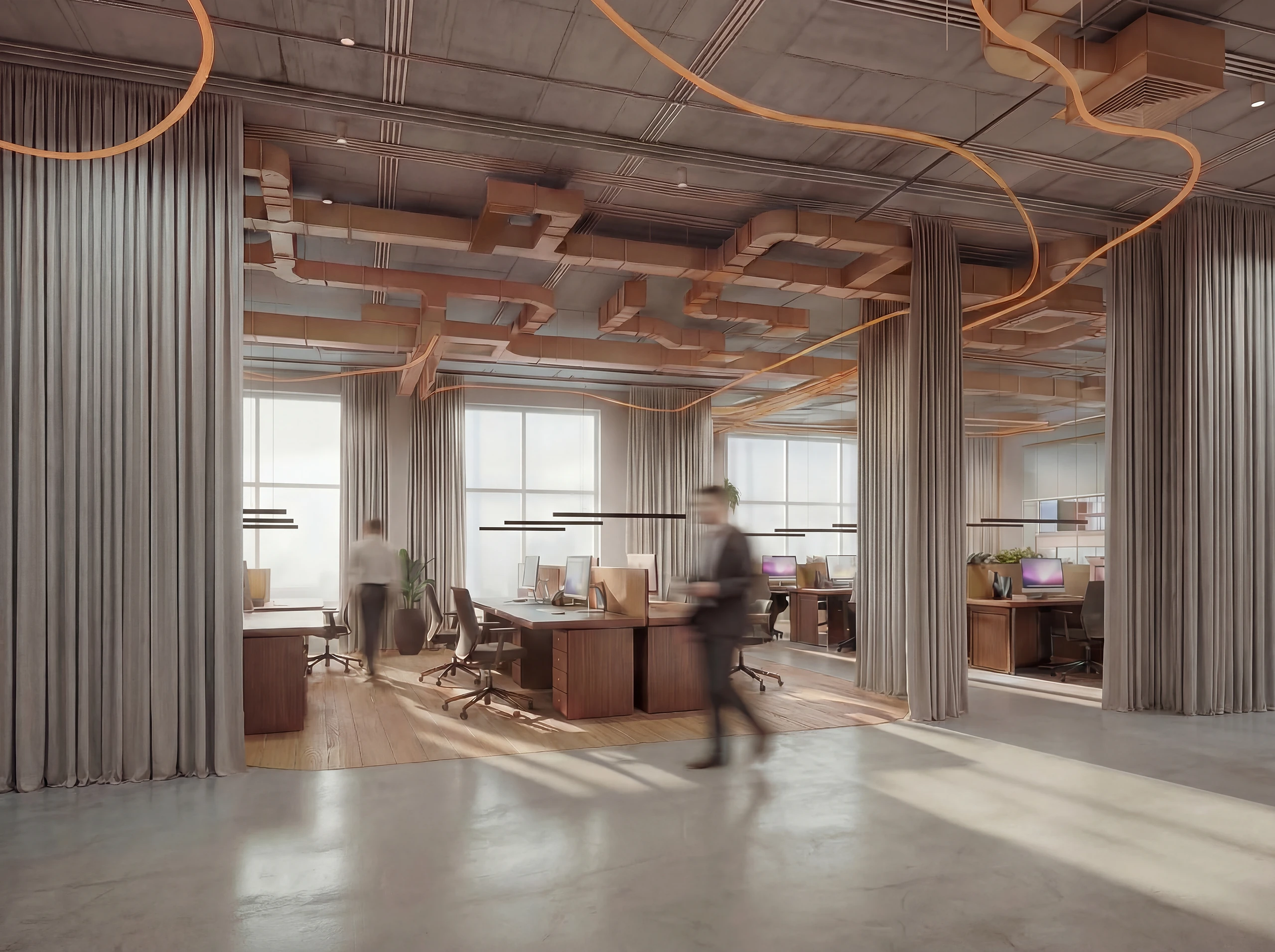
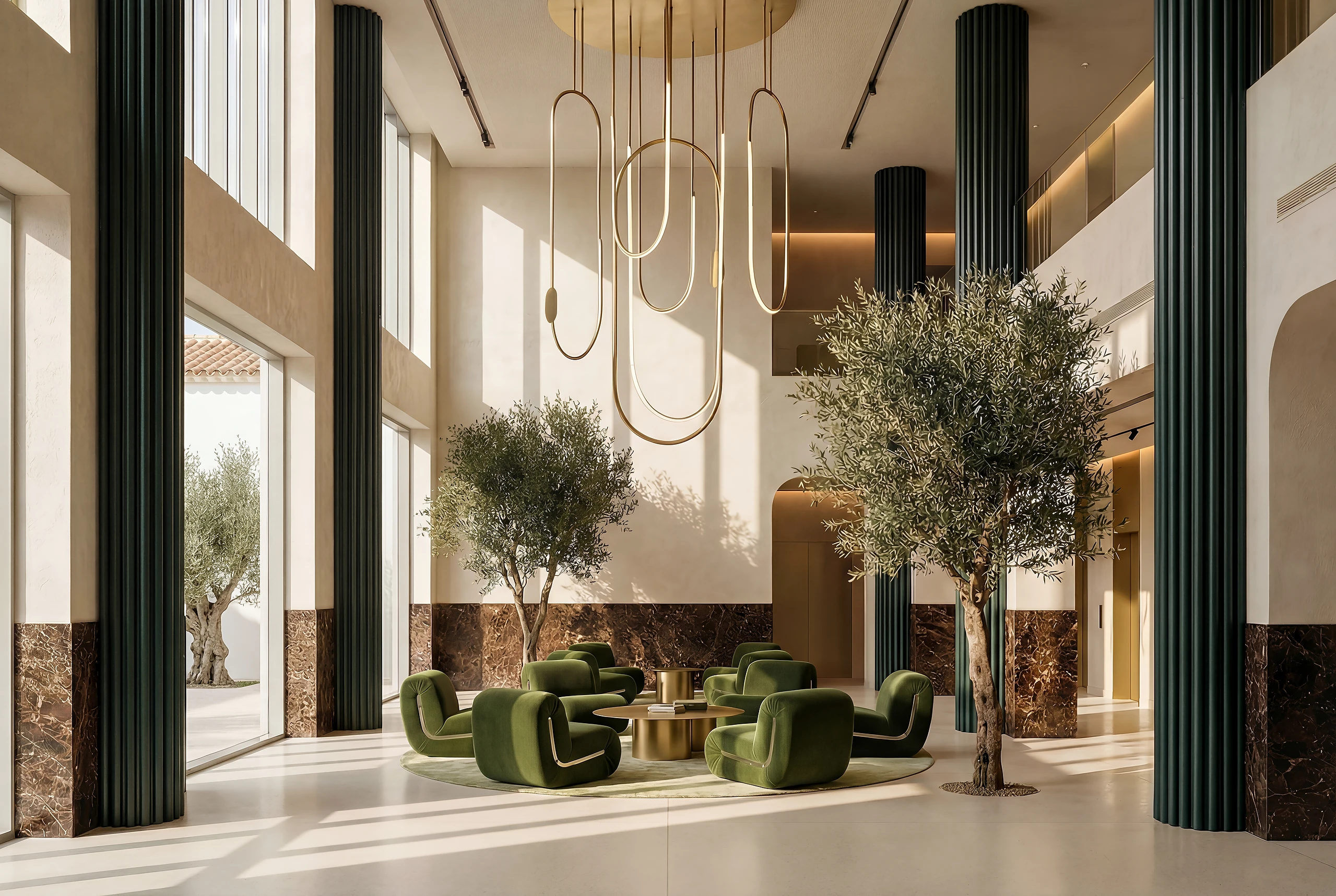
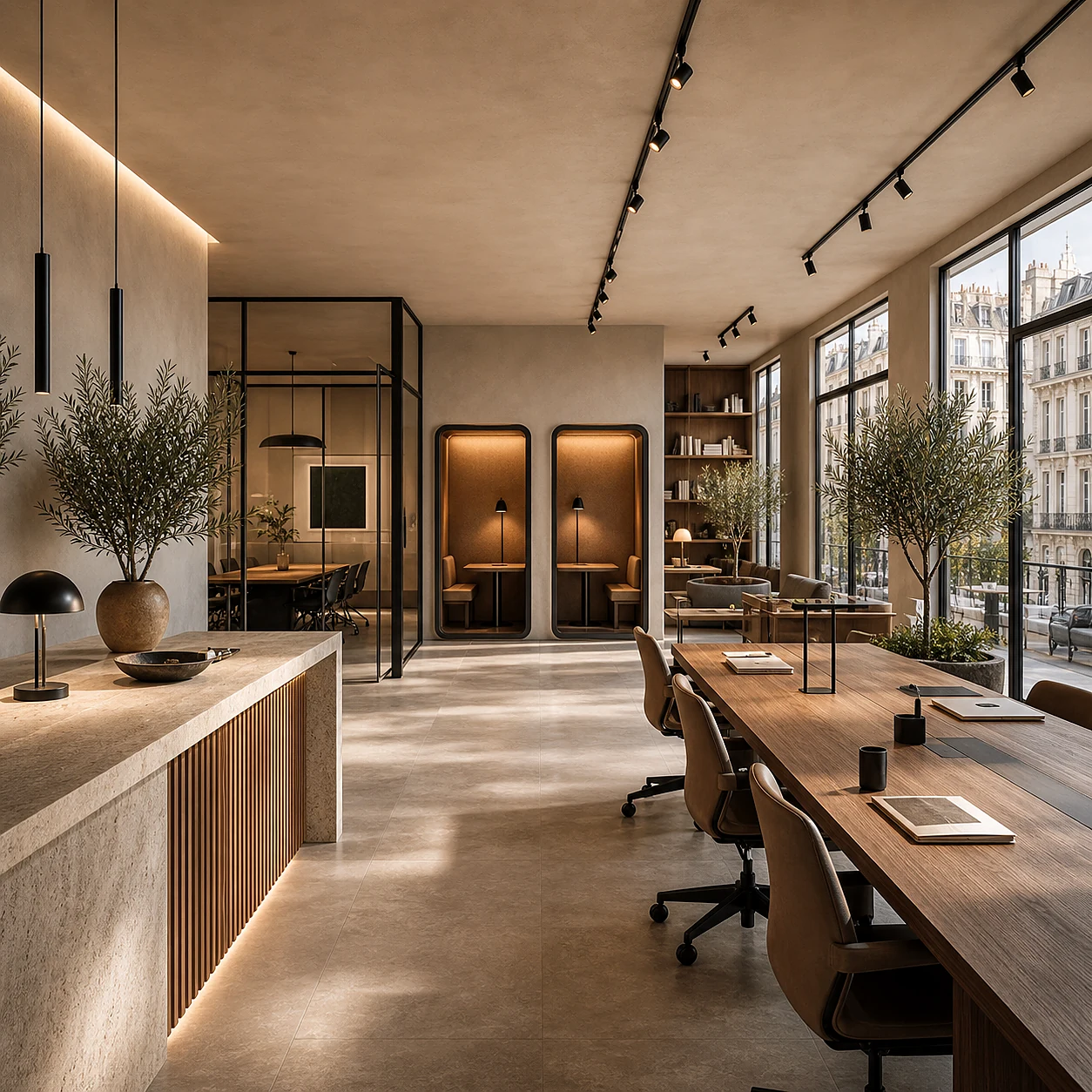
We design workspaces and coworking spaces that retain talent, strengthen company culture, and communicate who you are before anyone else does. The Norrsken Office project is an example of how we do it.
The real problem
Employees choose whether to come. The office decides if it's worth it.
In a hybrid market, a well-designed office is an argument for physical presence. It's not about forcing people to come in, it's about giving them a reason to want to be there.
When it is not yet clear what the office is supposed to do, we settle the workplace strategy before anyone draws a layout.
Talent retention
International estimates put the total cost of replacing an employee at 50 to 200 percent of annual salary depending on the level of the role (SHRM, 2025). An environment that fosters a sense of cultural belonging measurably reduces turnover.
Recruitment argument
A candidate who visits a well-designed office sees a company that takes details seriously and invests in its team. That's a message that's hard to convey any other way.
Productivity and focus
The balance between open areas and focus rooms, acoustic design, and optimisation of natural light measurably affect the efficiency of the team.
Brand communication
Every client, partner, and investor who visits your office learns who you are within the first 30 seconds. The office communicates the company more effectively than the website.
What companies and operators ask us
How do you design an office people actually want to come to?
By giving reasons that do not exist at home: rooms where you can talk without disturbing anyone, focus areas that are genuinely quiet, and a central space that justifies the commute. An office that only offers desks is competing with everyone's living room, and losing.
What makes a coworking profitable?
The ratio between sellable desk and shared area, and whether the meeting rooms can absorb peaks. Too much shared area does not pay for itself; too little and members leave within a year. That balance is calculated on the floor plan, with the pricing model in front of you.
What does WELL AP add to a workplace?
Air, light and acoustics, which are the three recurring complaints in any internal survey. It is also the most concrete argument a company has for explaining to its team why the office is worth the trip, and the one that holds up best in a lease negotiation.
Can you work with the office still in use?
Yes, phasing by floor or by wing and keeping noisy work outside office hours. What is worth deciding early is where the team sits during each phase, because improvising that is what stretches the timeline.