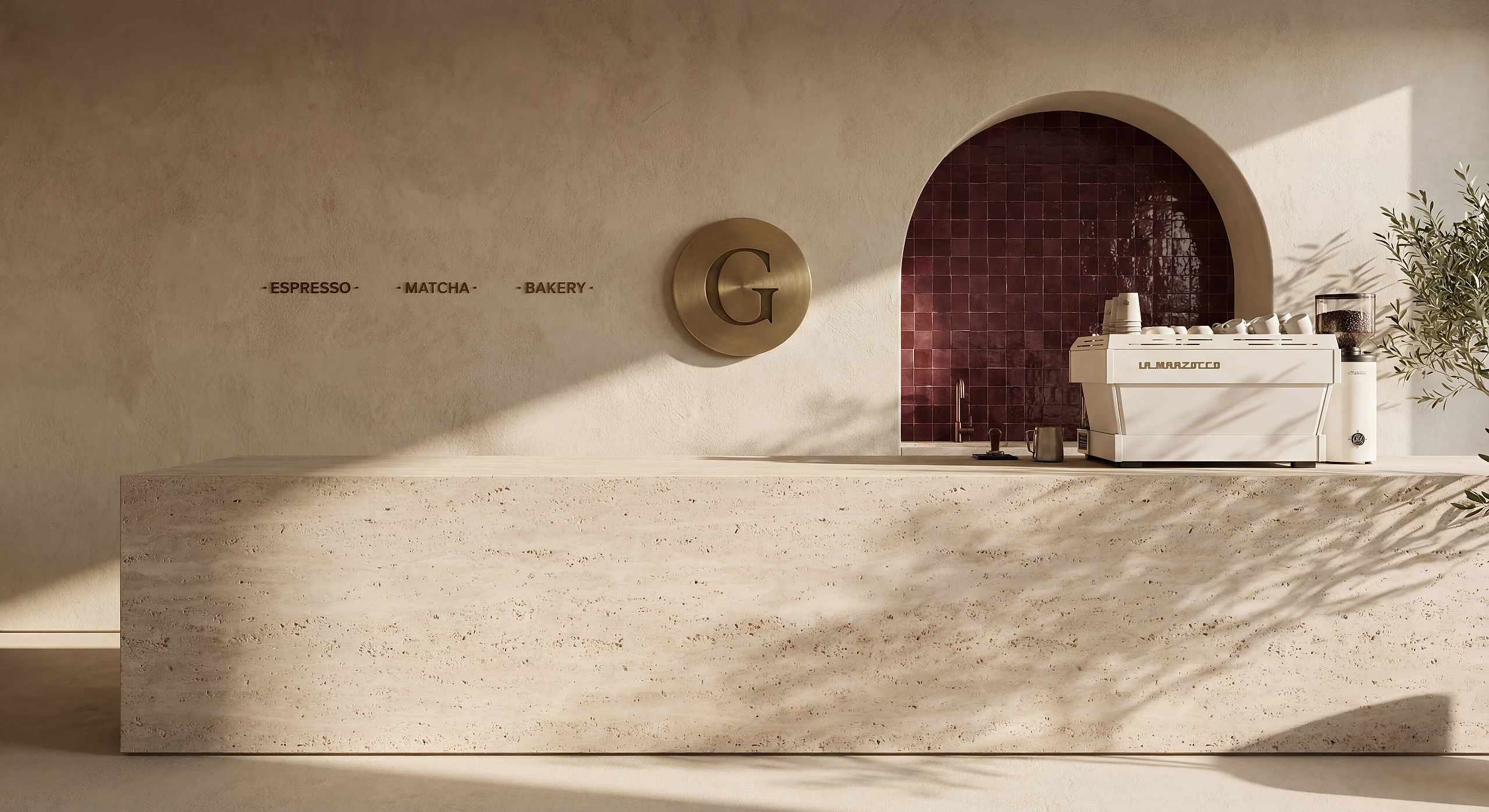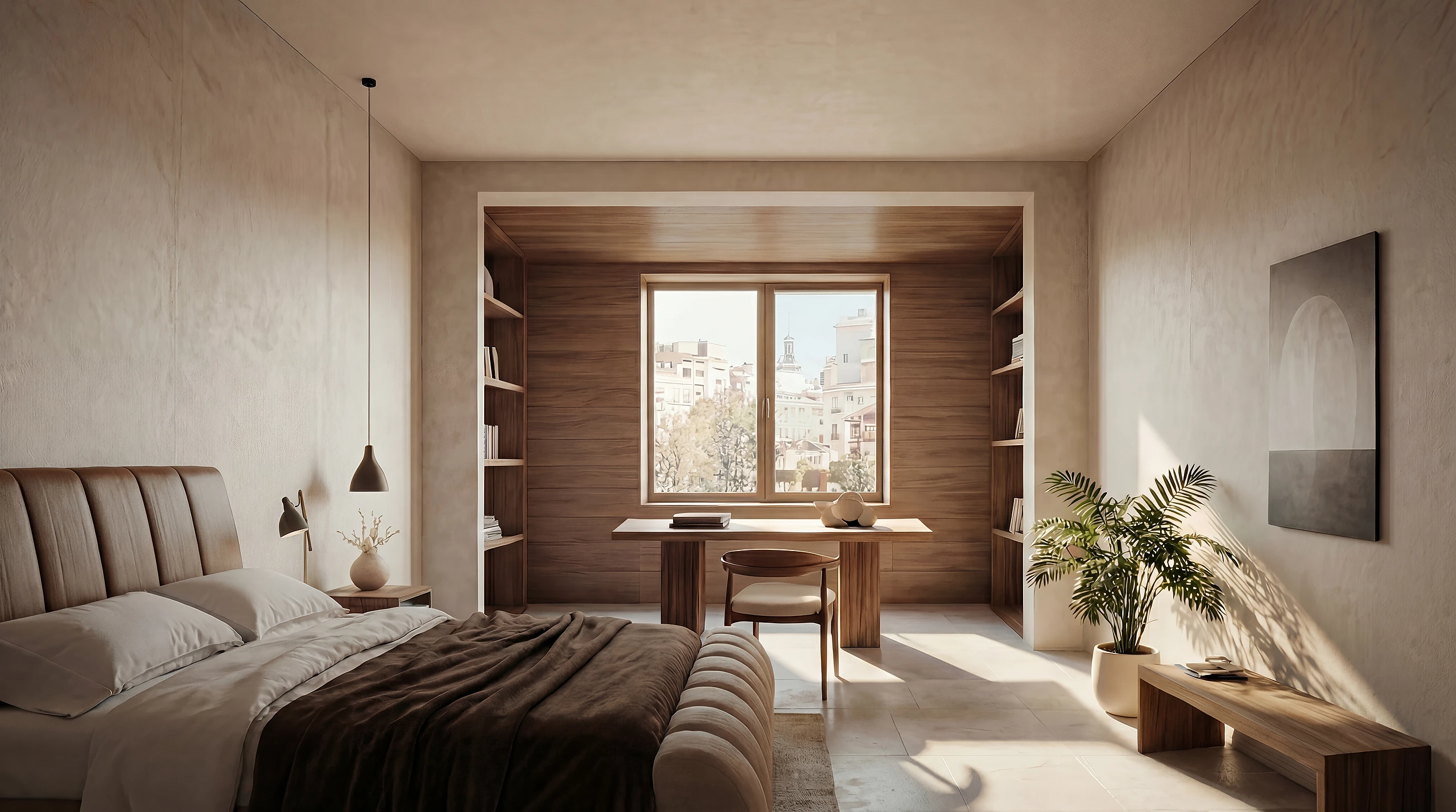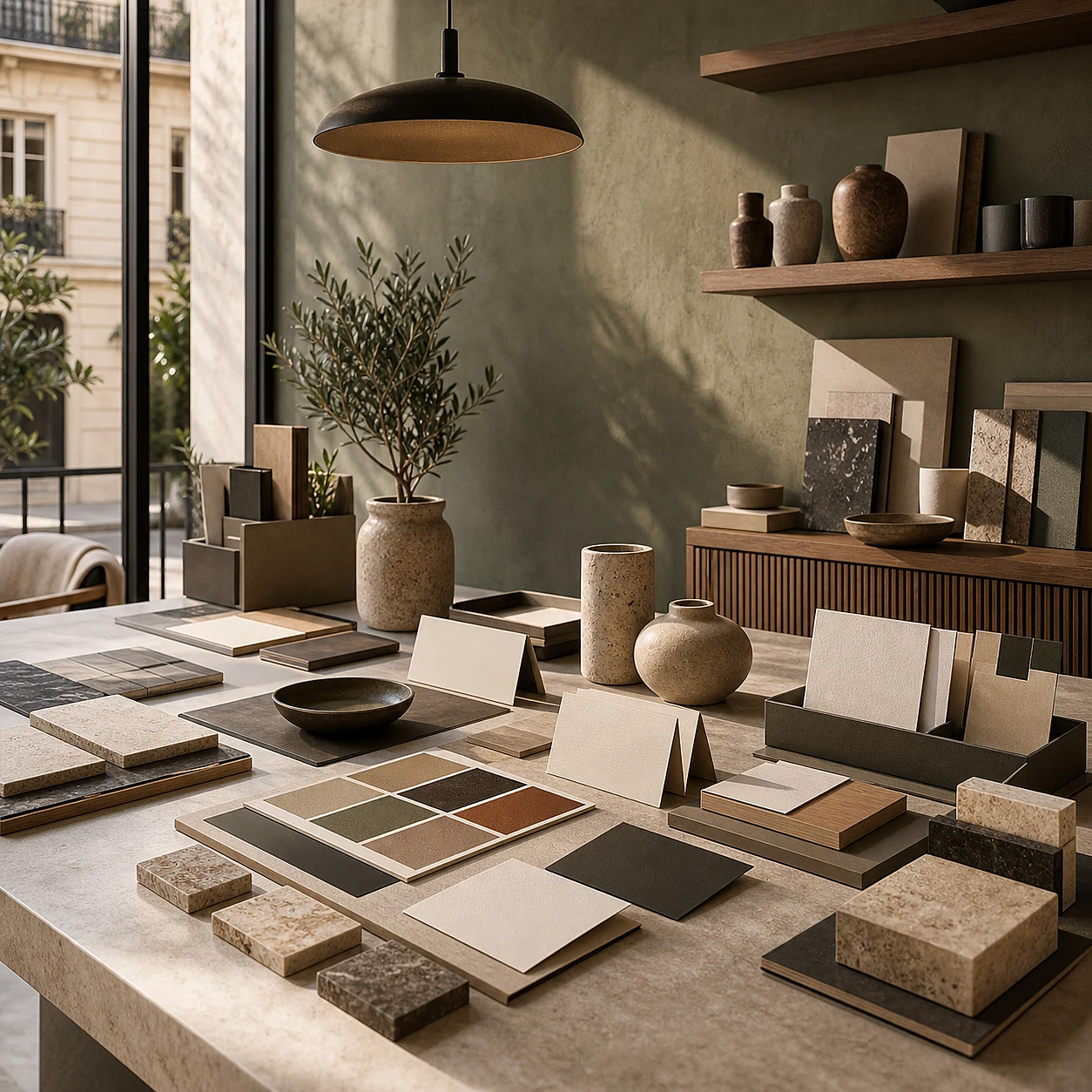
Brand strategy usually stops at the things you can print. But a restaurant, a hotel or a shop is experienced with the whole body, and the parts nobody wrote a guideline for, the playlist, the scent, the weight of the door, are doing brand work whether you designed them or not.
Multi-sensory branding is simply deciding those things on purpose, so they pull in the same direction as the identity instead of against it.
It is worth being clear about why this is a commercial subject and not an indulgence. The senses are how people form an impression of price. A room that sounds expensive and smells clean can charge more than an identical room that does not, and the difference costs almost nothing to design in at the right moment.
Sound sets the tempo
Music is not background, it is pace. It tells people how long to linger, how loud to talk, how premium the place is. A considered soundscape is one of the cheapest, most underused brand tools in hospitality and retail.
Volume is the decision people get wrong most often. Loud rooms feel busy, which is useful early in the evening and hostile late in a meal. Quiet rooms feel considered, and empty ones feel awkward, which is why an empty restaurant with no music is the worst version of itself. What a brand needs is a plan for the day rather than a playlist.
None of this works if the room fights it. Hard surfaces everywhere produce a space where the only way to be heard is to raise your voice, and then everyone does. Acoustic decisions belong with the plan, not with the soundtrack.
Scent and texture are memory
Scent bypasses argument and goes straight to memory, which is why a signature scent in a lobby works. Texture does the slower version of the same job: the material of a menu, a handle, a chair arm tells people what kind of care they are in. These are brand decisions, not decor.
Touch is the most neglected and the most honest. A guest forms a judgement about quality from the weight of a door, the temperature of a handle, the edge of a counter, the cover of a menu, long before they think about it consciously. These are also the cheapest places to be generous, because they are small in area and disproportionate in effect.
Scent needs more restraint than the others. It is powerful precisely because it is involuntary, which is why an overdosed lobby reads as covering something up. The useful version is faint, consistent and connected to the materials already in the room.
Everything should agree with the identity
The test is coherence. The sound, the scent, the light and the look should feel like one point of view. When a guest cannot say why a place feels right, it is usually because the senses were all saying the same thing.
Temperature and light belong on the list too, and they change how long people stay. A space kept slightly cool with warm light will hold people longer than one kept warm with cold light. Retail and hospitality make money from that difference in opposite directions, which is why it should be a decision rather than a default setting.
Where to start if you are doing this on an existing space
Go at the times your customers actually come, and note what you notice with your eyes shut. Most owners discover the same three things: the room is louder than they thought, the lighting has drifted as bulbs have been replaced with whatever was available, and something smells of cleaning product rather than of the place.
All three are fixable without building work. Relamping to one consistent temperature, adding soft surface where the sound bounces, and moving the cleaning schedule an hour earlier will change the impression of a room more than a new colour on the walls.
Keeping it consistent once it is decided
Sensory decisions decay faster than visual ones because they are maintained by whoever is on shift. The playlist gets changed. A bulb gets replaced with a brighter one. The diffuser runs out and is not reordered. Within a year the room feels different and nobody can say when it changed.
The fix is to write them down with the same seriousness as the logo. Named lamps and colour temperatures, a music brief with times of day, the specific product for scent, and the surfaces that must not be cleaned with something that dulls them. Unwritten standards do not survive staff turnover.