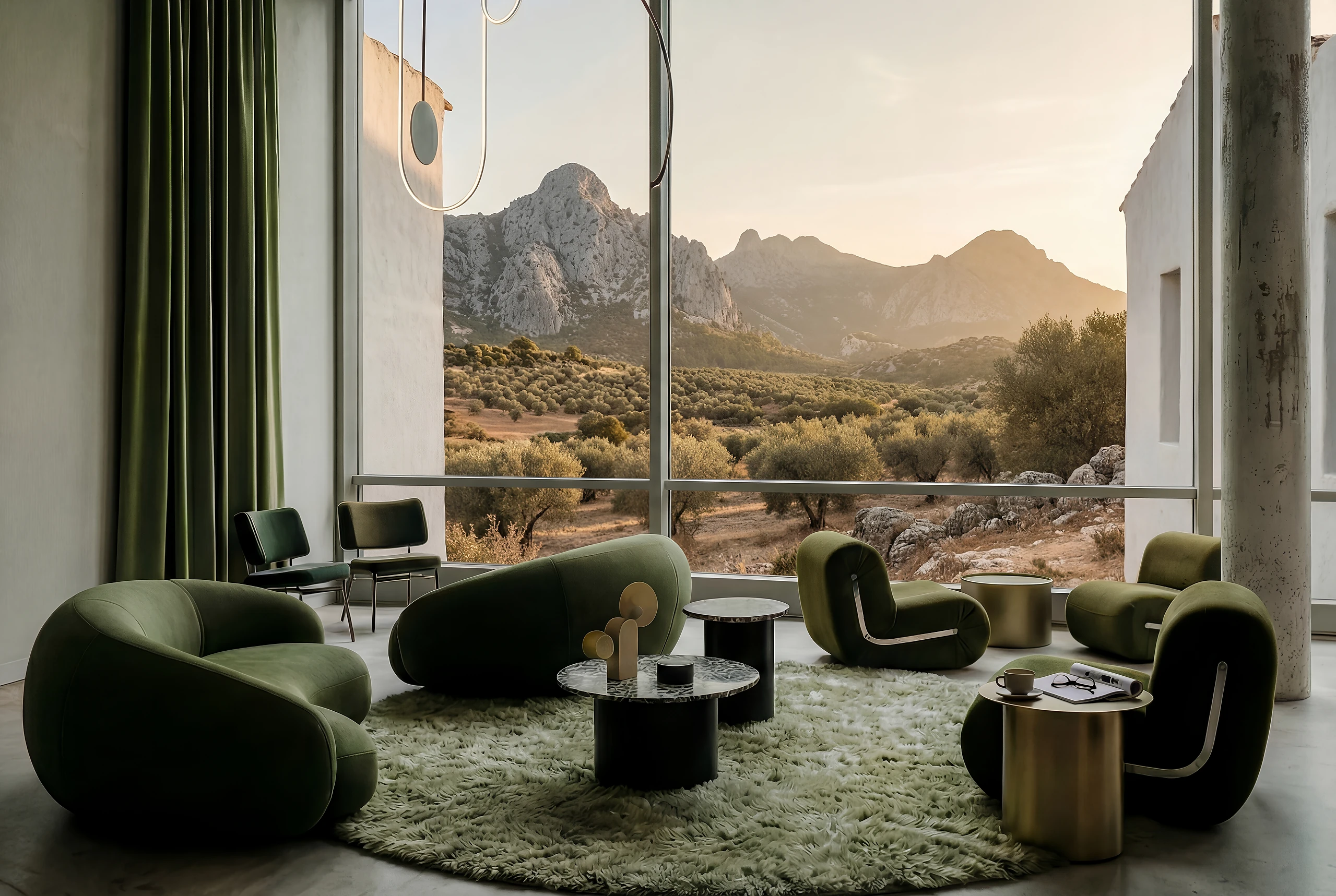
A boutique hotel does not win on price or on the number of rooms. It wins on a feeling that a chain cannot copy: a sense of place, a point of view, a reason this room and not the one across the street. That feeling is not luck. It is designed, and it lives in the brand as much as in the building.
On the studio we treat a hotel as one object with three faces: the identity, the interior and the website. When they say the same thing, the place feels intentional. When they drift, guests feel it before they can name it.
The drift is usually easy to trace. The building was designed by one team, the identity commissioned later by another, and the website built last against an opening date. Each is competent. Together they describe three slightly different hotels, and the guest resolves the contradiction by deciding the place is fine rather than special.
Decide what the place is before you decorate it
A boutique hotel needs a position before it needs a palette. Who is this for, what is one night here supposed to feel like, and what will you deliberately not be. A hotel that tries to please everyone photographs like every other hotel. The specific ones are the ones people post.
A position is easier to test than it sounds. Write the sentence a guest would use to recommend you to a friend. If it could be said about the hotel across the street, there is no position yet, only a standard. The sentence should be slightly uncomfortable, because a position that excludes nobody attracts nobody.
The exclusions are the valuable half. A hotel that decides it is not for families, or not for conferences, or not for people who want a gym, has just freed the design to do one thing extremely well and told the right guest they are in the right place.
Let the brand run from the lobby to the booking screen
The name, the mark and the tone belong in the space and on the site equally. A guest meets the brand first as a photograph on a listing, then as a website, then as a door they walk through. If those three moments feel like three different hotels, trust leaks at every step.
The brand also has to survive the parts nobody designs. The confirmation email. The sign on the car park. The label on the shampoo. The tone of the reply to a bad review. A guest meets your brand at every one of these, and the ones that were never briefed are the ones that betray the standard.
This is the practical reason the identity, the interior and the site belong on one brief. Not because it is tidier, but because the gaps between them are where the guest actually spends their attention.
Photography is a sales tool, not a souvenir
Most of the decision happens on a screen before anyone arrives. That means the interior has to be designed to photograph honestly and well, and the shoot has to be directed to sell the feeling, not just document the furniture. This is where brand, interior and creative direction stop being separate budgets.
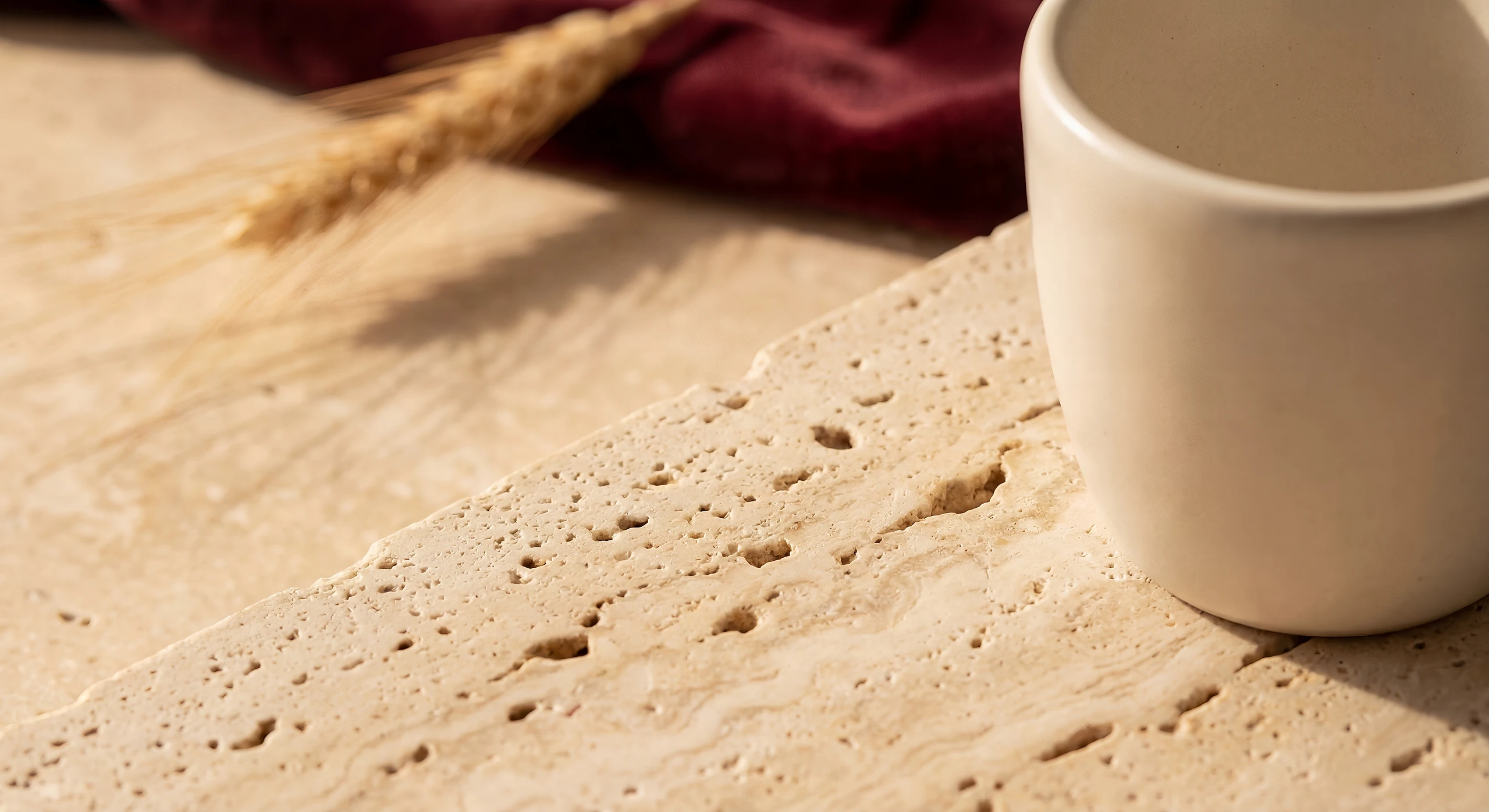
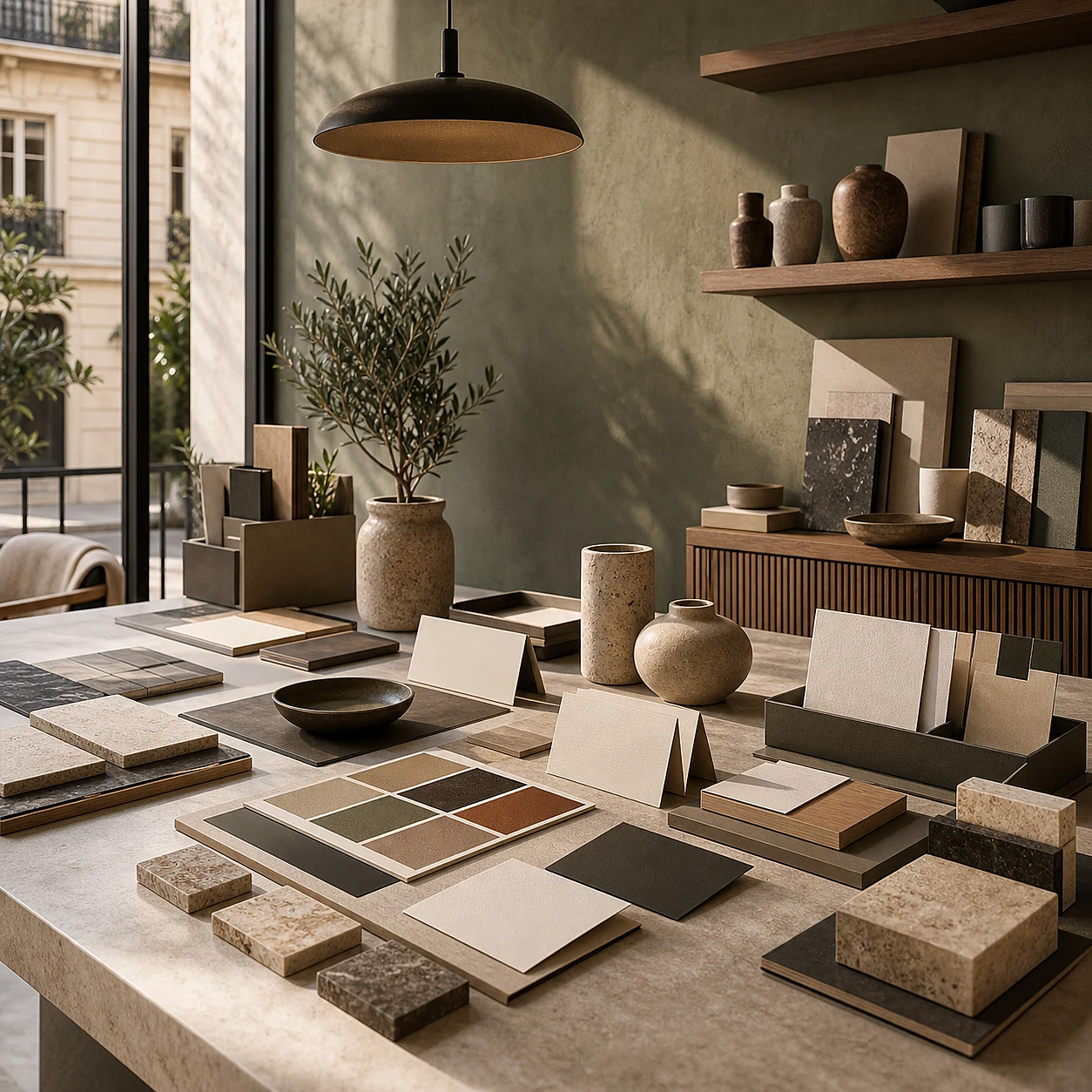
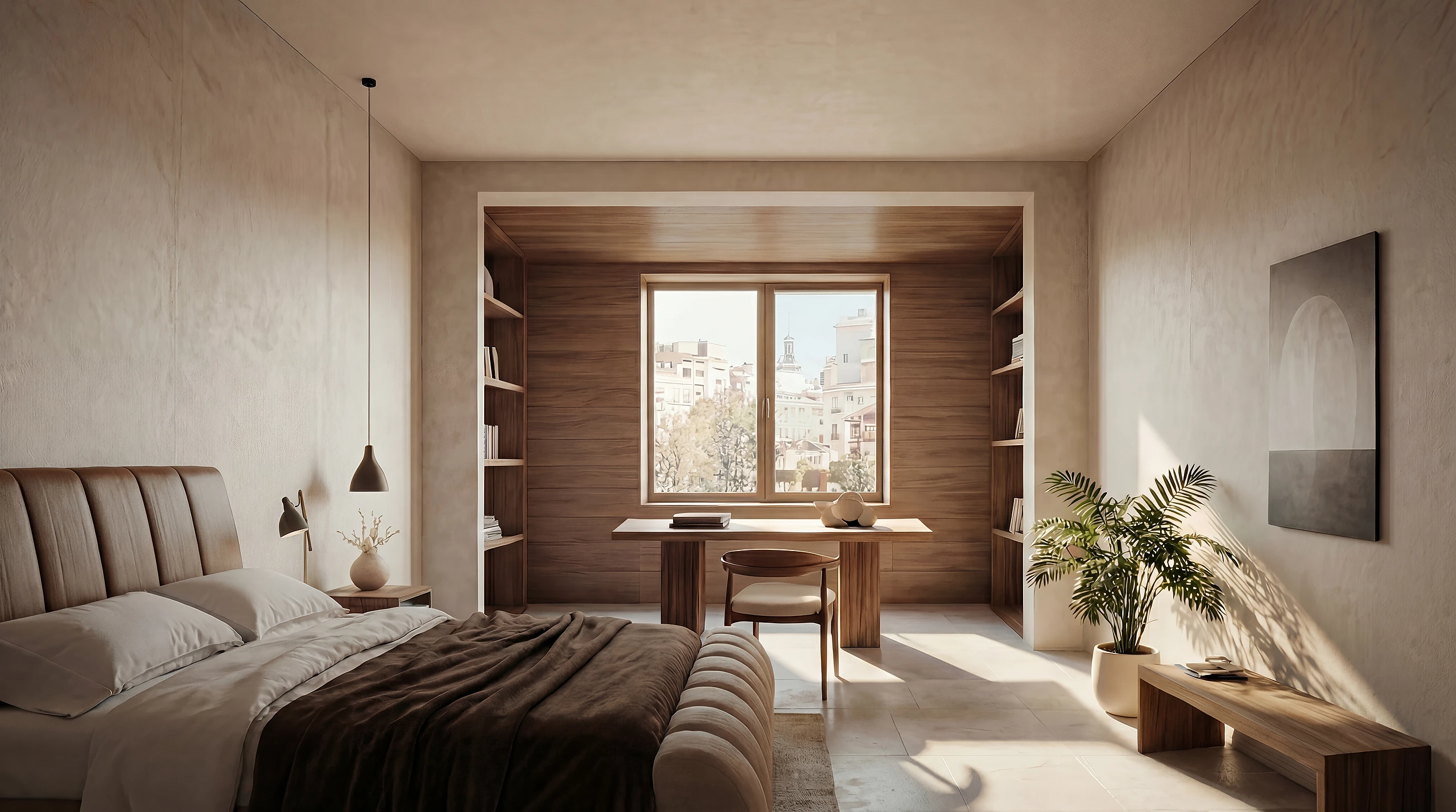
Designing to photograph is not the same as designing for photographs. A room composed only for a camera is uncomfortable to sleep in. What it means in practice is knowing where the images will be taken before the space is finished: making sure there is a view worth framing from the door, that the light at the hour guests arrive is flattering, that the materials read at a distance as well as up close.
It also means directing the shoot against what you are selling. Most hotel photography documents furniture. The images that convert show what the stay feels like, which usually needs people, time of day and restraint about how much of the room is in frame.
The first sixty seconds decide the review
Arrival carries more weight than any other part of a stay. A guest has travelled, they are carrying things, and they are deciding whether the money was well spent. Where they are asked to stand, whether anyone acknowledges them, how long the formalities take, whether the bag has somewhere to go: these are design decisions before they are service decisions.
The same applies in reverse at departure, which is when the review gets written. A rushed checkout at a desk with a queue undoes a good stay more efficiently than almost anything else the building can do.
Where a boutique hotel should not economise
Some savings are invisible and some are felt every night. Acoustics between rooms and from the corridor, the quality of the mattress and the blind, the water pressure, and the lighting next to the bed are the four that appear in negative reviews regardless of how considered the lobby was.
The opposite is also true and worth using. Guests forgive a small room with character far more readily than a large room without one. A modest footprint spent on the things people touch, and a genuine point of view, will outperform square metres spent on finish.