When people can work from anywhere, the office stops being a default and starts having to justify itself. The ones that work are not the ones with the most desks. They are the ones designed around why anyone would come in: to meet, to focus, to feel part of something, to see the brand made real.
That is a brief for designers, not only facilities managers. It is about experience and identity as much as square metres.
Design around the reasons to come in
Focus rooms, real meeting space, room to gather, and fewer identical desks. The layout should follow how people actually work now, hybrid and uneven, not the floor plan of ten years ago. Flexibility is the feature.
Bring nature and light in
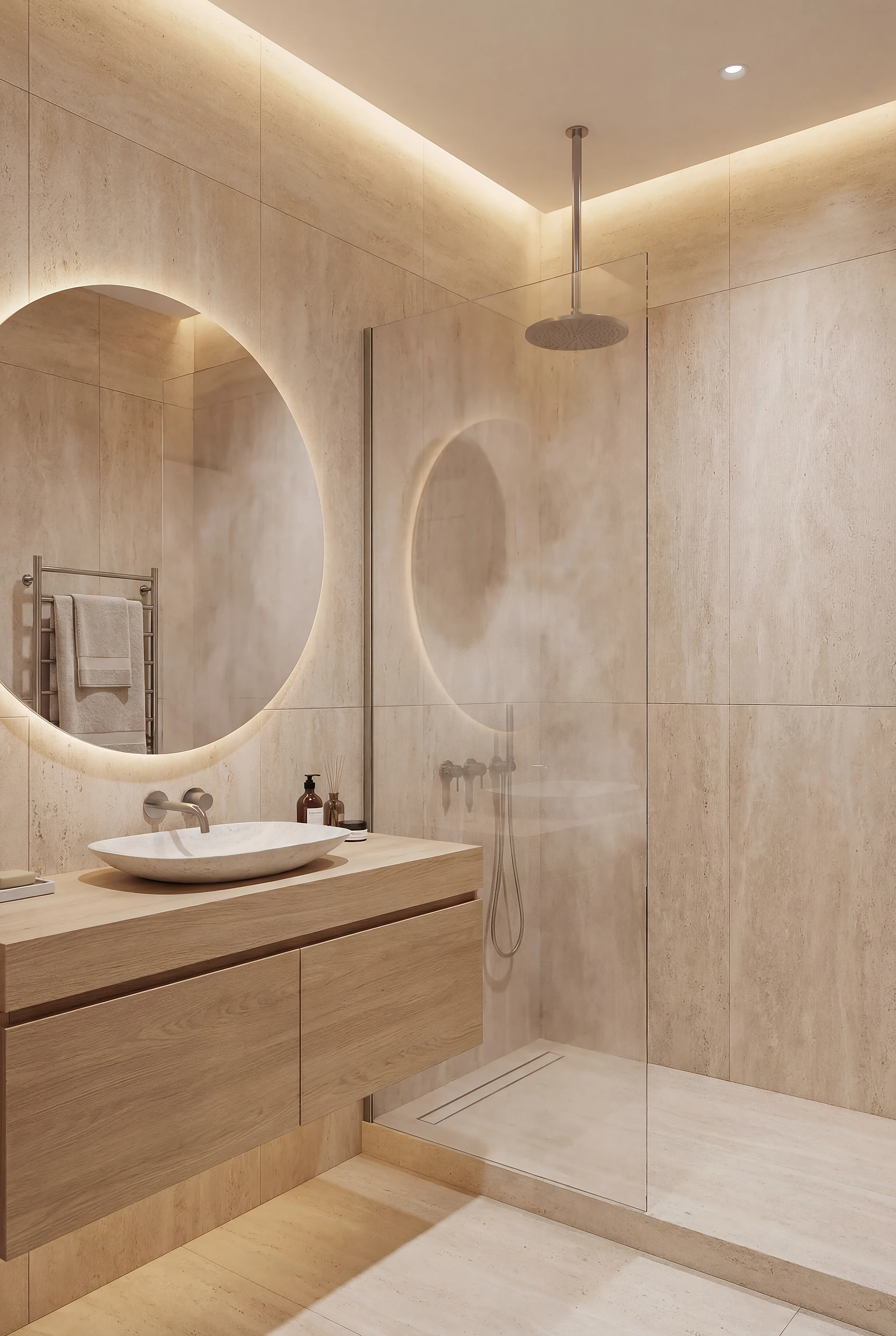
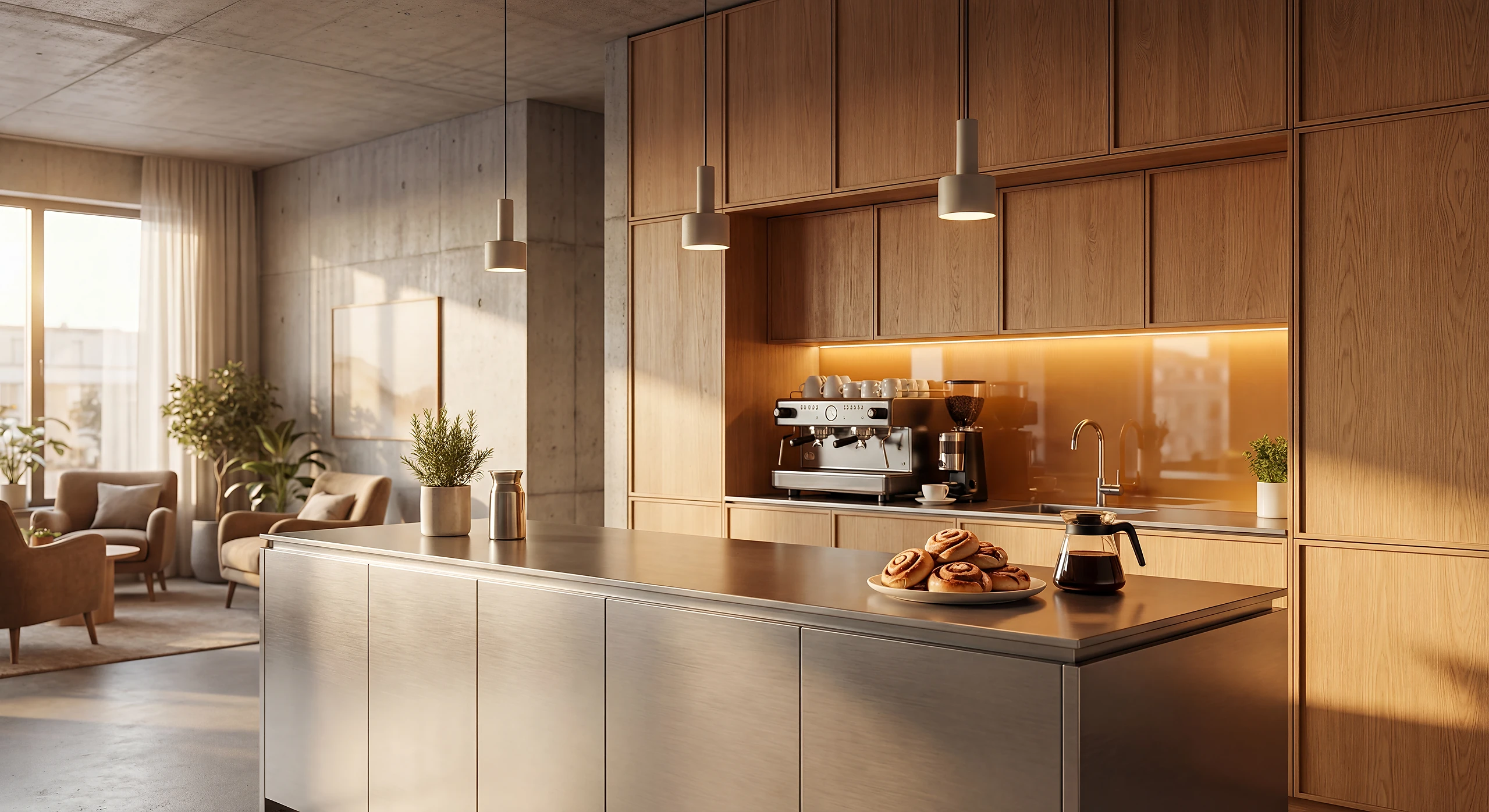
Daylight, planting and natural materials are not a trend, they are the cheapest reliable way to make a space people want to spend hours in. A workplace that feels good to be in does quiet work for retention and for how the company reads to a visitor.
The office is a brand statement
Anyone you hire or pitch will read your culture off the space in the first two minutes. An office that looks like the brand, and works like the brand claims to, is one of the most honest marketing assets a company owns.