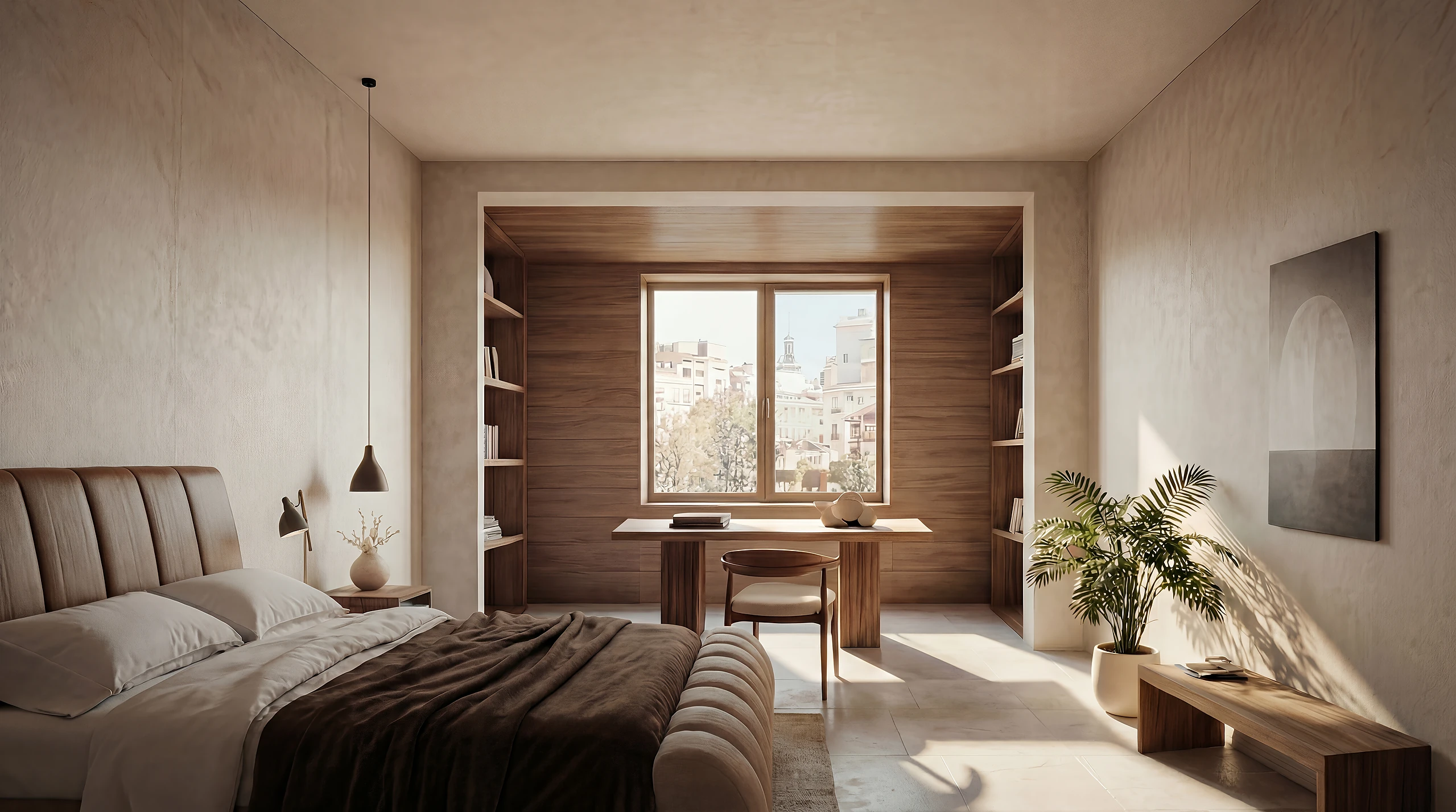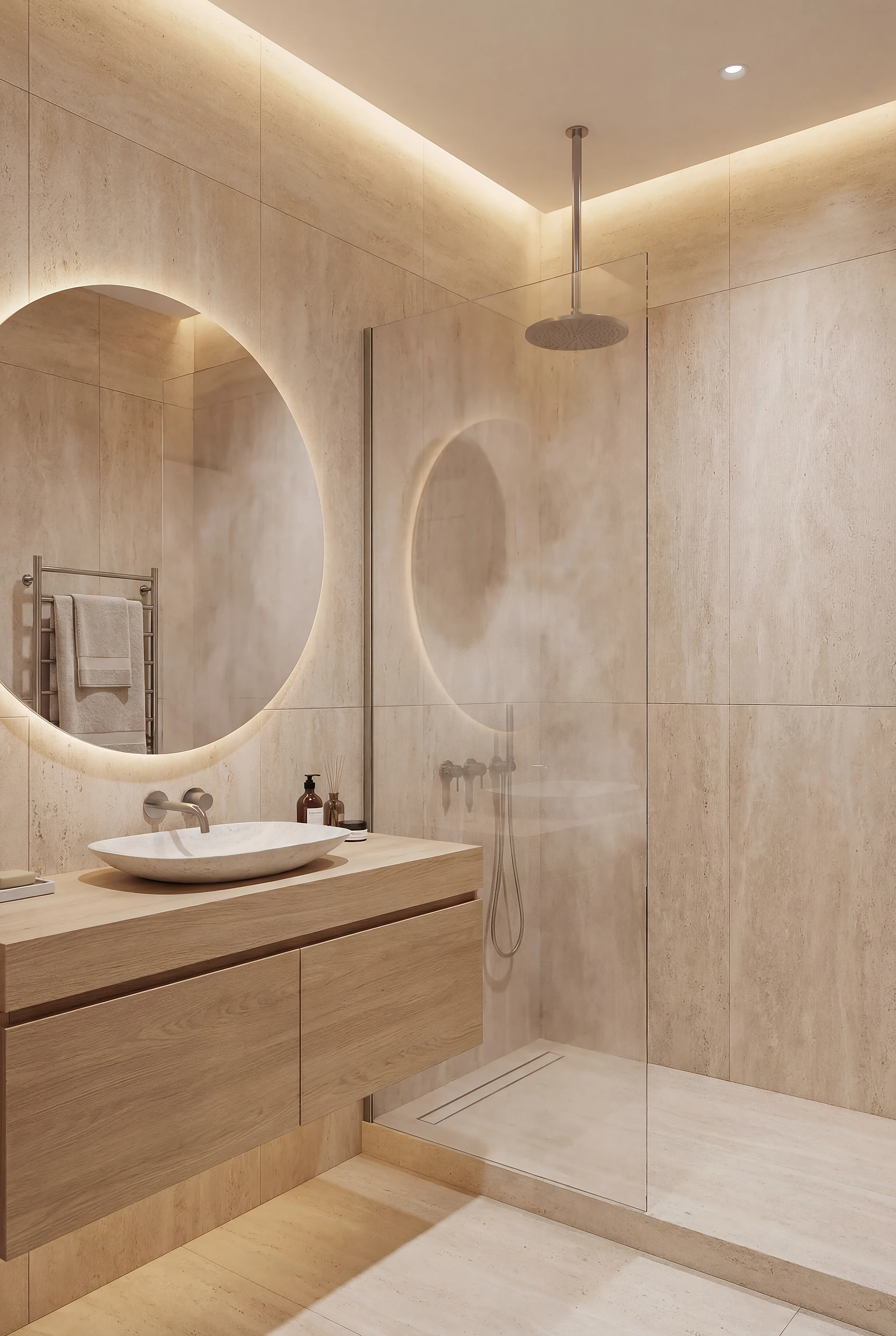
Visualization has quietly become a sales channel. Developers pre-sell apartments from images, hotels raise money from a concept, retailers sign a rollout from one reference room. The images do two jobs at once: they settle the design before the build, and they sell the space while it is still a plan.
The tools keep improving, but the thing that separates a rendering that sells from one that just looks nice has not changed. It is the decisions behind the picture.
Honest light beats a pretty filter
The renders that convert are the ones a buyer can trust: real light at a real time of day, materials that will actually be installed, proportions that match the plan. A picture that oversells becomes a complaint on handover. The credibility of the image is the point.
Interactive when it earns its place
Walkthroughs and configurators are powerful for the right project, a large development or a flexible fit-out, and a waste on a single small space. We recommend the format that matches the decision the viewer is making, not the one that demos best.
Settle materials on screen, not on site
The expensive place to change your mind about a stone or a joinery finish is on the building. The cheap place is in the model. A serious visualization process doubles as a material decision process, and that is often where it pays for itself.