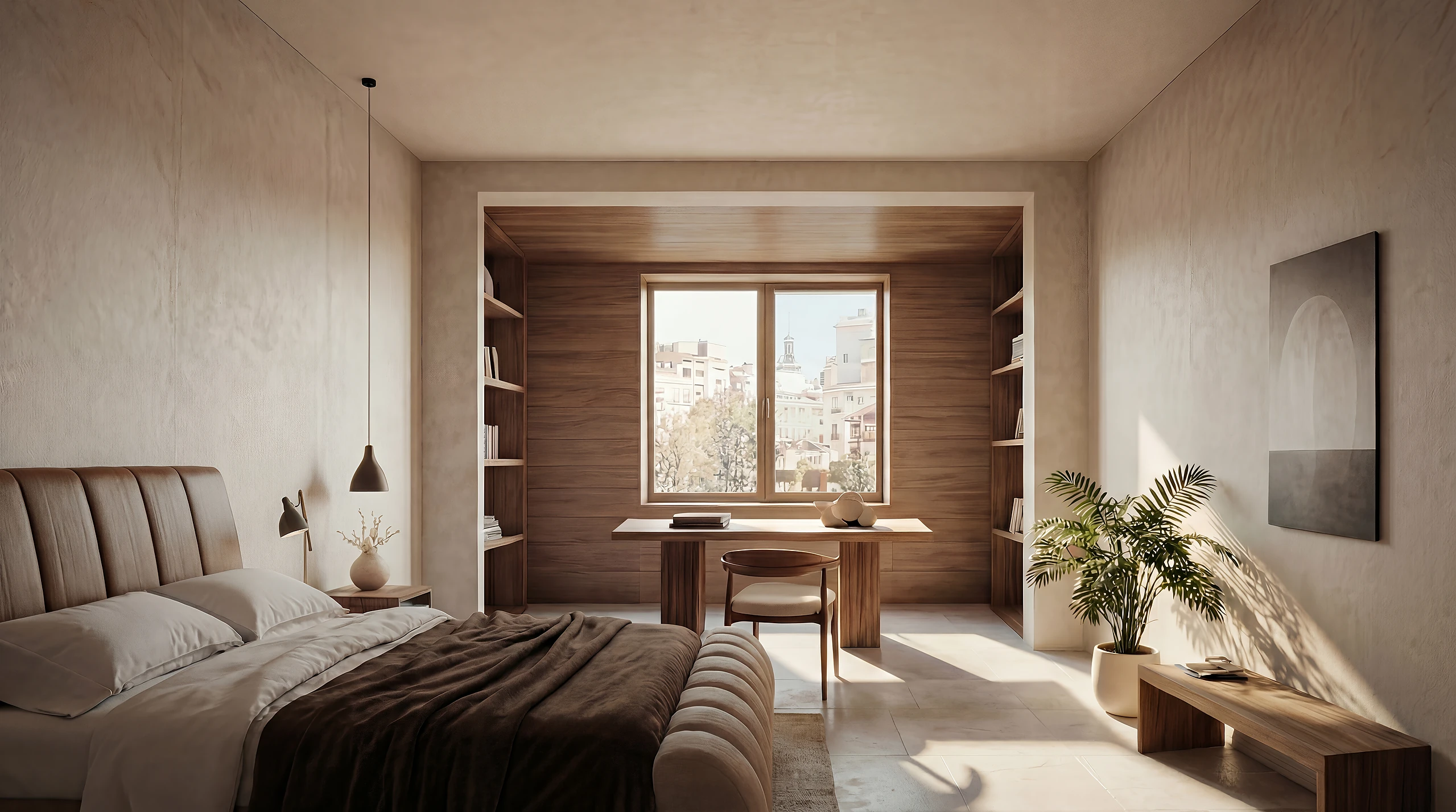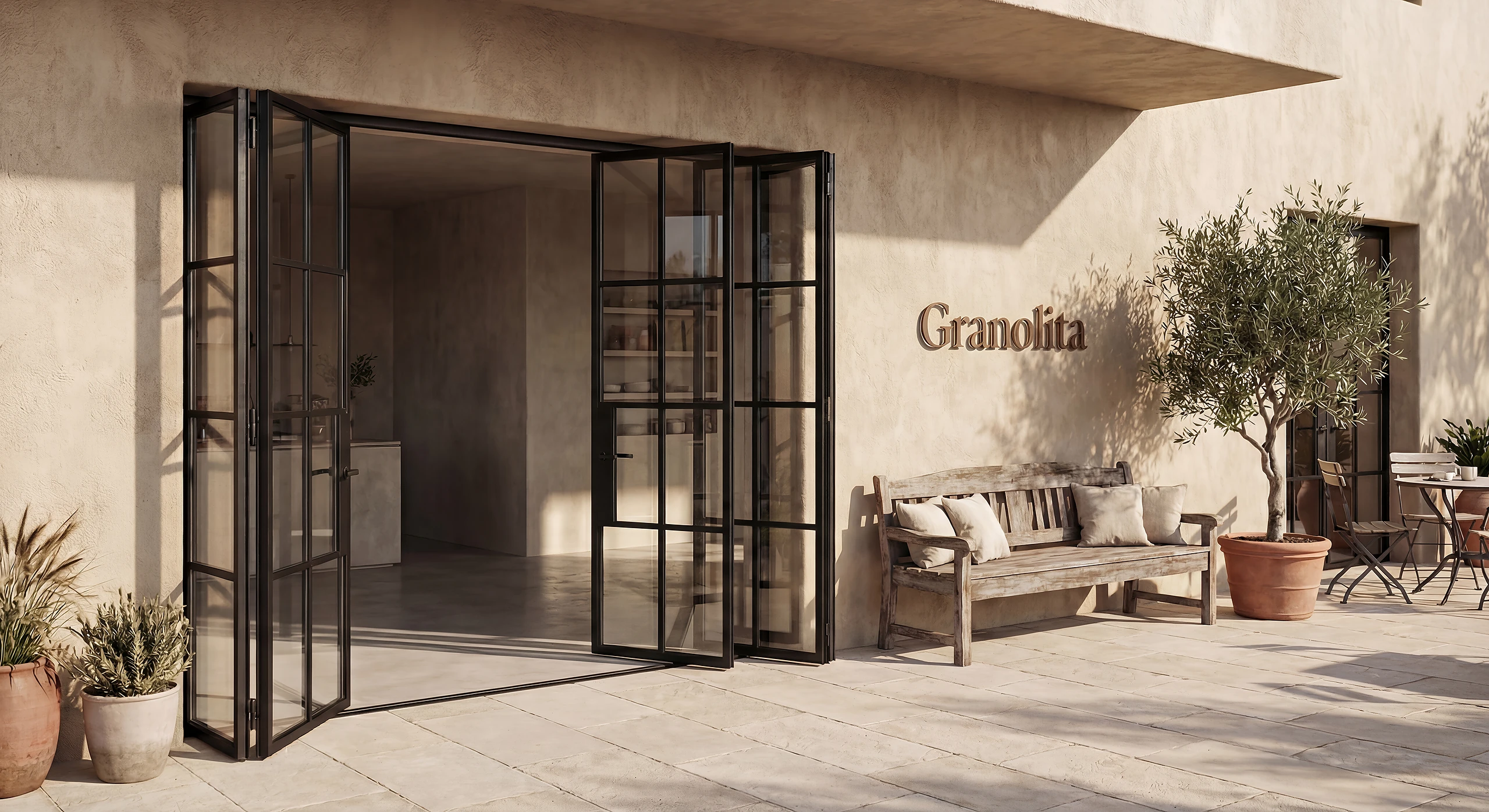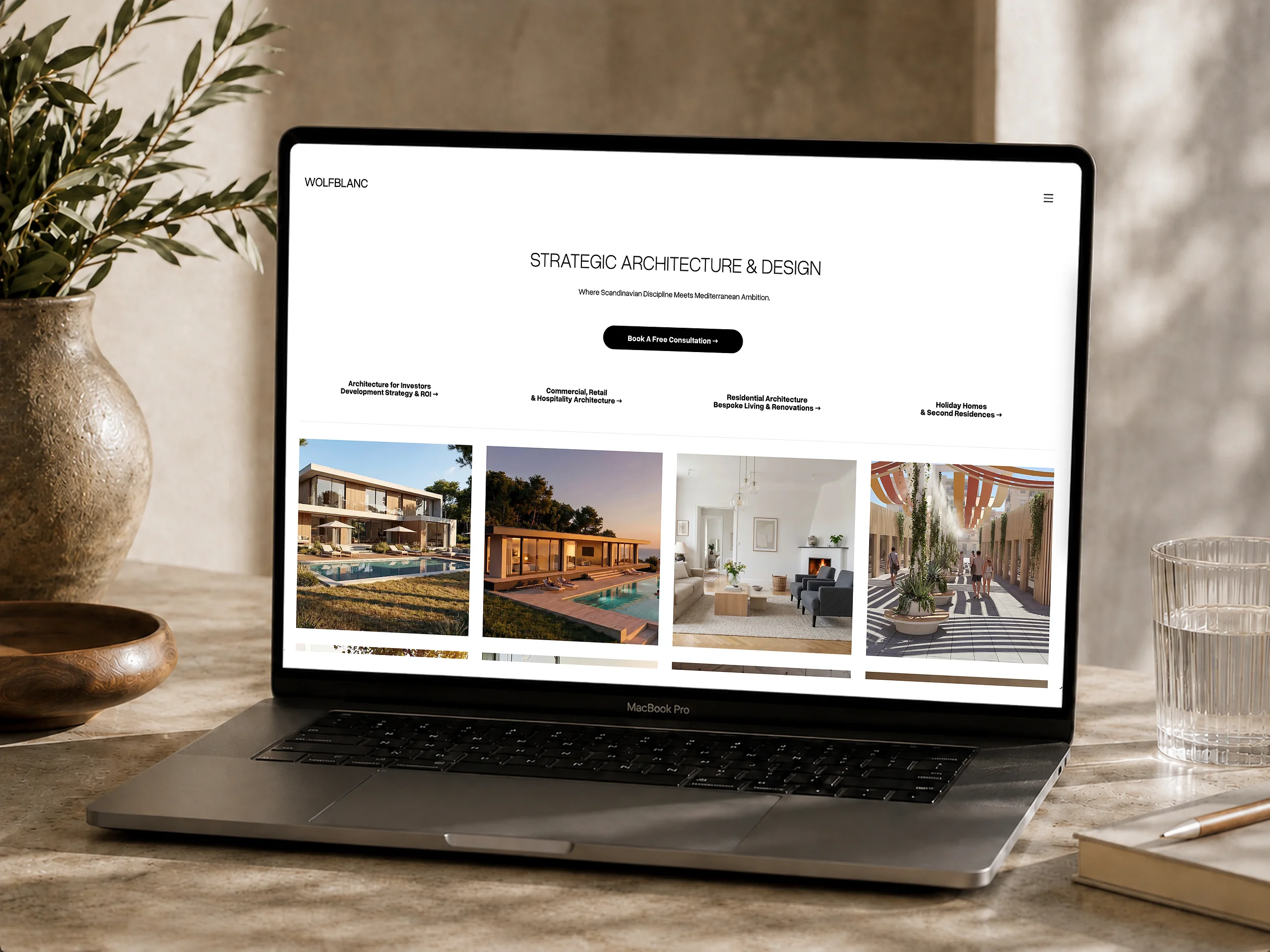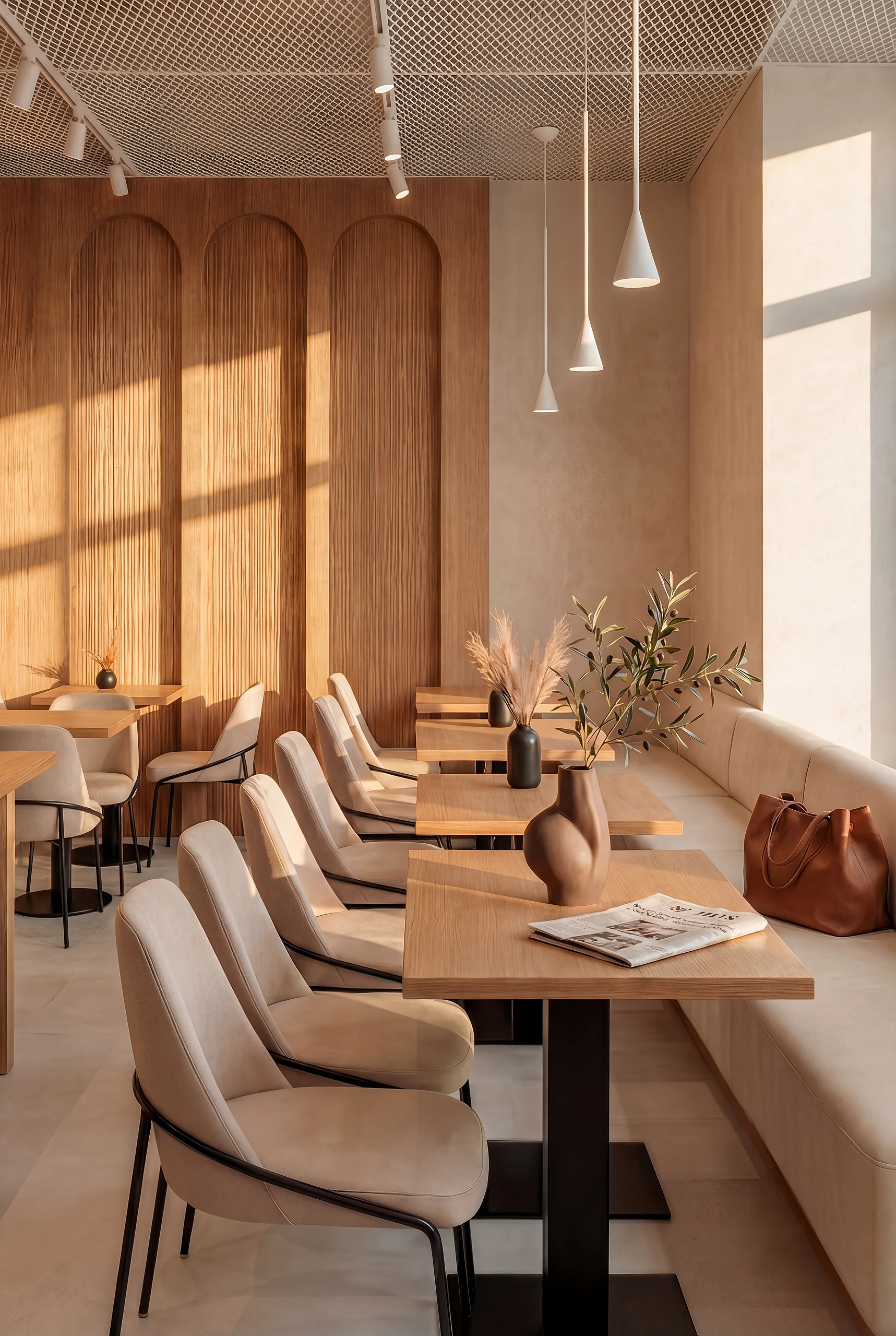
Brand strategy usually stops at the things you can print. But a restaurant, a hotel or a shop is experienced with the whole body, and the parts nobody wrote a guideline for, the playlist, the scent, the weight of the door, are doing brand work whether you designed them or not.
Multi-sensory branding is simply deciding those things on purpose, so they pull in the same direction as the identity instead of against it.
Sound sets the tempo
Music is not background, it is pace. It tells people how long to linger, how loud to talk, how premium the place is. A considered soundscape is one of the cheapest, most underused brand tools in hospitality and retail.
Scent and texture are memory
Scent bypasses argument and goes straight to memory, which is why a signature scent in a lobby works. Texture does the slower version of the same job: the material of a menu, a handle, a chair arm tells people what kind of care they are in. These are brand decisions, not decor.
Everything should agree with the identity
The test is coherence. The sound, the scent, the light and the look should feel like one point of view. When a guest cannot say why a place feels right, it is usually because the senses were all saying the same thing.